


Guides › Druid
 Druid Hardcore Guide
Race choice, form and talent strategy, leveling by bracket, gear priorities, and the flexible, always-have-an-option playbook that defines Druid in Hardcore.
By Marc · Updated July 27, 2026

 Druid · WoW Classic HardcoreImage: Blizzard Entertainment
What makes Druid flexible
Druid's Hardcore strength isn't any single ability as strong as a Hunter's Feign Death or a Paladin's Bubble. It's that the class almost always has something available when a situation goes wrong. Travel Form gives fast, combat-usable movement to disengage outdoors (it's not usable indoors or in most dungeons). Every spec has some access to self-healing. Feral Druids can tank a dungeon directly rather than needing to find one. That flexibility comes at the cost of specialization: no single Druid tool is as strong as the best tool of a dedicated class, but the breadth of options means fewer situations where you have no good move left.
Strengths and weaknesses
Strengths
- Travel Form (40% run speed at level 30, usable while already in combat) is one of the most reliable escapes in the game outdoors. It doesn't work indoors or in most dungeons
- Self-healing is available in every spec, not locked behind a dedicated healer build the way Priest or Paladin healing is
- Feral Combat lets you tank dungeon content directly, removing dependence on finding a group tank
- Barkskin reduces damage taken during a fight going wrong, without requiring a form change
- Innervate greatly increases mana regeneration for a limited duration, functioning as an emergency sustain reset, available at level 40 to Restoration builds that invest 31 points, not baseline for every spec
Weaknesses
- Lower sustained damage than dedicated DPS classes at equivalent gear and level
- Shifting into or out of Travel Form cancels most ongoing actions, so escape has a real commitment cost
- Less specialized than most classes, no single tool matches the best tool of a focused build
- Bear and Cat Form both lock you out of casting spells, including your own heals, while shapeshifted
Race choice
Druid has only two race options: Night Elf (Alliance) and Tauren (Horde), so there's no cross-faction comparison, just a choice for each side.


Night Elf

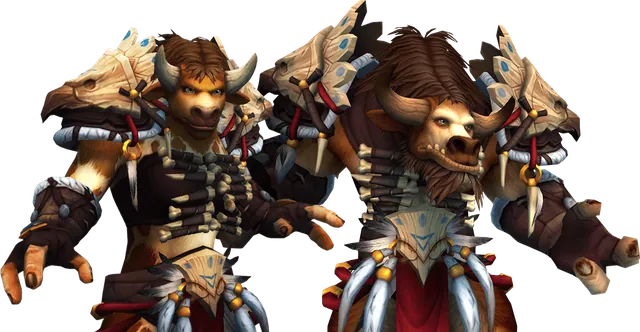
Tauren
 Best overall: Tauren
+5% max health and War Stomp (a free AoE stun) both add genuine Hardcore survivability on top of an already-flexible class. War Stomp in particular pairs well with a class that's often repositioning, stun, then shift to Travel Form and disengage cleanly.
Safest: Tauren
Same reasoning as above: the extra health and free stun are both directly defensive in a way Night Elf's kit doesn't quite match, though Night Elf remains a fully viable Alliance option.
 Alternative: Night Elf
Night Elf racials don't provide a straightforward damage increase: the case for it is utility instead. Quickness's +1% dodge is a small passive bonus, and Shadowmeld gives Balance and Feral Druids alike a way to reset combat visibility once already disengaged. It's the only Alliance option, so Alliance players don't have a Tauren-equivalent pick either way.
Best Self-Found: Tauren
The extra health buffer matters more when your itemization is whatever you happen to loot, and War Stomp doesn't depend on any specific gear or weapon type.
Talent strategy


Recommended leveling tree: Feral Combat
Feral Combat is the standard Hardcore leveling spec. Natural Weapons and Sharpened Claws add damage in Cat and Bear Form, Thick Hide adds passive armor, and Heart of the Wild boosts both your caster stats and your Cat/Bear stats simultaneously, useful since you're switching forms constantly.
Important milestones
Feral Charge (a gap closer and root usable in Bear Form) is often more valuable saved for interrupting a dangerous cast, repositioning, or escaping than spent automatically as a pull opener. Predatory Strikes and Savage Fury both meaningfully increase Cat/Bear damage output as you approach 60.
When Balance or Restoration become viable
Balance is a strong ranged alternative once you have Improved Wrath and Moonglow. It reduces routine melee exposure at the cost of some of Feral's tankiness, though resists, mana limits, and enemies that close distance fast can still force melee pressure. Restoration is the right pick if you intend to heal dungeon groups regularly rather than solo-level efficiently; Nature's Swiftness and Swiftmend both give strong emergency heal options.
Talents that look good but underperform
Improved Thorns is a solid group utility talent but has minimal solo leveling value compared to investing further into your own form's damage or survivability. The full Feral, Restoration, and Balance builds are pre-loaded in the Talent Planner.
Leveling by bracket
Levels 1-20
You get Bear Form at level 10 and Cat Form at level 20. Before that, Druid plays like a caster with fewer safety nets, so be extra cautious pulling. Once you have Bear Form, it's your main early-game tanking and survival tool thanks to its higher health and armor.
Levels 20-40
Travel Form unlocks at level 30 and immediately becomes your primary emergency escape outdoors. Practice using it decisively the moment a fight goes wrong rather than trying to finish "just one more" action first, and remember it won't help indoors or in a dungeon. This is also when Cat Form's damage really comes online if you're leaning into Feral DPS.
Levels 40-60
If you've invested 31 points into Restoration, Innervate becomes available and is worth saving for a moment you're genuinely out of mana mid-crisis rather than using it as routine mana management. Dungeon groups value Feral Druids as off-tanks or even primary tanks, and Restoration Druids as capable healers, in this range.
What to prioritize in gear
Stat priorities split by form and spec: Feral wants Strength, Agility, and Stamina for Cat/Bear combat; Balance and Restoration want Intellect and Spirit for mana sustain, with Restoration adding Healing Power. Stamina is valuable across all specs since Druid has no single stat as central as Warrior's Strength or Mage's Intellect.
Druid gear itemization in Classic is notoriously spread thin: leather with the right secondary stats can be hard to find, so don't be afraid to take a slightly mismatched item if it's a clear upgrade over what you have.
The Gear Planner ranks every obtainable item for Druid using stat weights tuned for your chosen spec.
Professions worth taking

 Herbalism + Alchemy: Herbalism supplies materials as you quest, and Alchemy converts them into the healing and utility potions that patch the gaps in Druid's self-sufficiency.
 Leatherworking: crafted leather armor lines up directly with Druid's gear type for a reliable Self-Found floor.
 Skinning: pairs naturally with Feral's melee playstyle and feeds Leatherworking if you take both.
 First Aid (mandatory secondary): bandages between pulls, same as every class.
See the full Professions guide for leveling paths and Self-Found viability of each.
Getting out of trouble
- Travel Form: your primary escape outdoors. Decide to use it early, since shifting cancels your current action and costs a moment of vulnerability. It doesn't work indoors or in most dungeons, so have a different plan there.
- Barkskin: use it proactively when you expect a burst of damage, not only once you're already critical.
- Bear Form: shift into it specifically to absorb a hit you can't otherwise avoid: the extra health and armor buy time even outside a dedicated tanking role.
- Dangerous enemy types: shifting form actually clears an existing root or snare on you, which is one of Druid's real escape strengths. The gap is Fear, Charm, stuns, and similar control, which shapeshifting doesn't break (only some racials or specific talents do).
- Reacting to adds: Entangling Roots (in caster form, outdoors only) can lock down a second enemy while you finish the first.
How Druids actually die
- Committing to Bear or Cat Form and getting caught by a fear or root that the form itself doesn't clear.
- Shifting out of combat form to heal, exposing yourself for the cast time right when you can least afford it.
- Underestimating a fight because Druid feels flexible. The class has options, but none as immediately decisive as a dedicated escape or immunity cooldown.
- Running out of mana while trying to both fight and heal solo, with no form switch left that solves the problem.
Bottom line on Druid
Druid is one of the most flexible and generally forgiving Hardcore classes, trading peak specialization for a wide toolkit that rarely leaves you with zero options. Self-Found viability is strong: crafting professions can fill gear gaps that would otherwise hold the class back. Group dependency is low; Druid solos well and is valuable in nearly any dungeon group role. Overall difficulty: low to moderate. Recommended for beginners who want variety, and for veterans who value adaptability over a single powerful cooldown.
Frequently asked questions
Is Druid good for WoW Classic Hardcore?
Druid is one of the most flexible and forgiving Hardcore classes. Travel Form gives a fast, combat-usable escape outdoors (though not indoors or in dungeons), all specs have access to some self-healing, and Feral Druids can tank dungeons directly, reducing dependence on finding a group tank.
What is the best race for Druid in WoW Classic Hardcore?
Tauren is generally the stronger pick: +5% max health and War Stomp (a free AoE stun) both add real Hardcore survivability. Night Elf is the only Alliance option and brings Shadowmeld, useful for safely resetting out of combat.
What talent build should a Druid use while leveling in Hardcore?
Feral Combat is the most common Hardcore leveling spec because Bear and Cat Form both give strong self-sufficient combat with good survivability. Balance is a strong ranged alternative, and Restoration is best if you plan to heal dungeon groups.
What is the most common cause of Druid deaths in Hardcore?
Committing to a form (usually Bear or Cat) and getting caught by a second enemy or a fear/root effect that shapeshifting itself can't immediately answer, combined with lower burst healing than a dedicated healer when things go wrong quickly.
More guides







 Druid Talent Planner
 Druid Gear Planner