

Guides › Getting Started
Getting Started in WoW Classic Hardcore
Everything you need to know before creating your first Hardcore character, from understanding the rules to surviving your first dungeon run.
By Marc · Updated July 27, 2026
Understanding the Hardcore rules
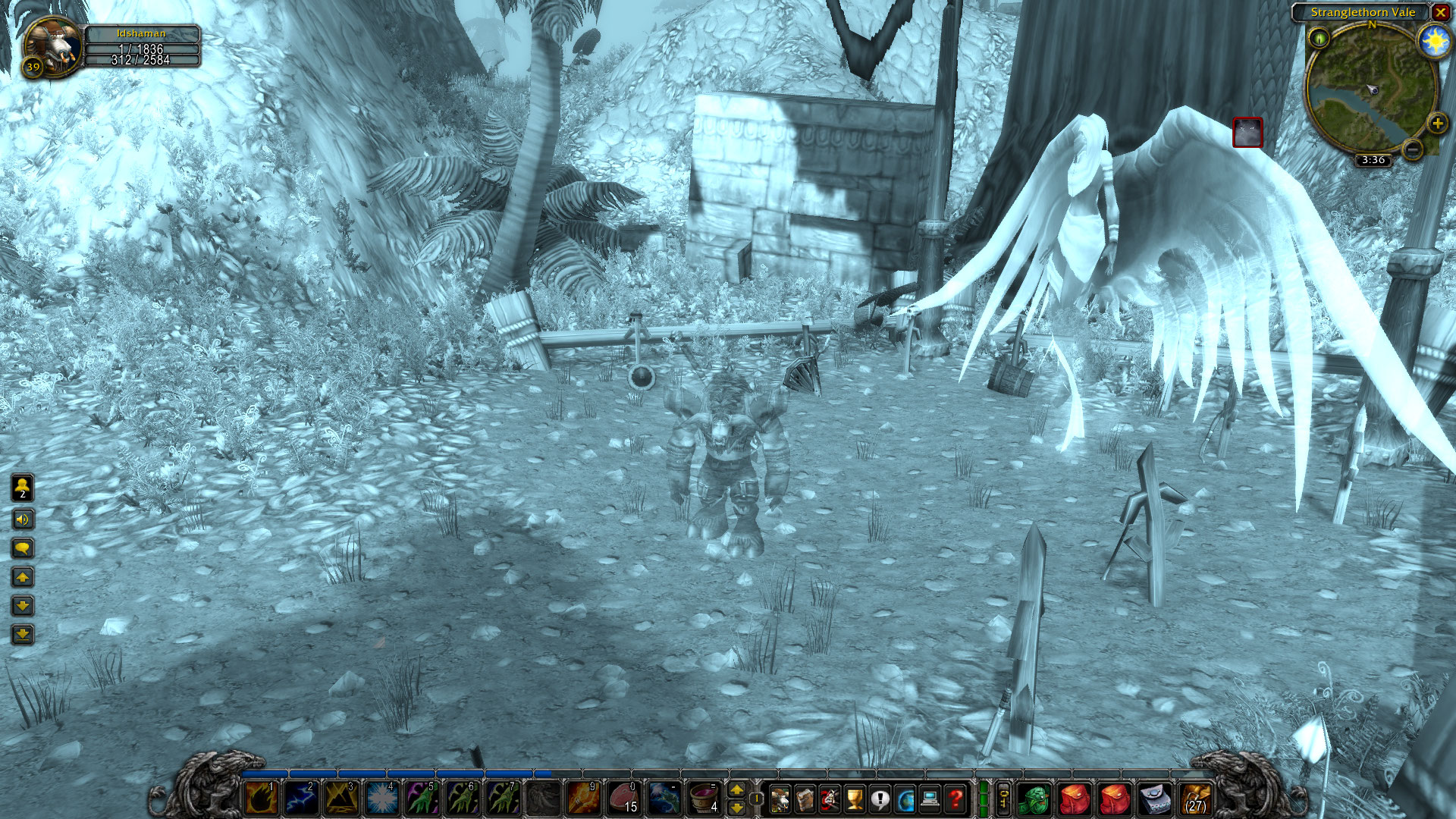
Official Hardcore is a realm ruleset, not a menu of separate modes. Death is permanent on the Hardcore realm: you cannot resurrect there by running to your corpse or through any spell or ability. Your character remains available as a ghost, and you may transfer it for free to a non-Hardcore Classic Era realm, where it can resurrect normally. A transferred character cannot return to Hardcore.
Standard Hardcore
Permadeath is the only restriction. You can use the Auction House, trade with other players, receive items from friends and alts, and group up freely. This is for players who want the challenge of permadeath without any additional restriction on how they acquire gear.
Self-Found (optional, chosen at character creation)
Self-Found is an optional setting that adds restrictions on top of permadeath: no player trading, no Auction House, and no receiving most items through mail. Every piece of gear must be looted, crafted, or received as a quest reward by that character alone. It can be turned off later at designated NPCs, but not turned back on. This removes the gold advantage veteran players have and is the mode this site's gear recommendations are primarily built around.

"Solo Self-Found" (community challenge, not an official mode)
Solo Self-Found is an additional restriction players impose on themselves on top of Self-Found: no group content of any kind. No dungeons, no group quests, no help from other players. It isn't a setting the game enforces. It's a self-imposed challenge some players choose to follow.
Choosing your first class
Your class choice matters more in Hardcore than in any other mode because re-rolling means losing your entire investment. Here is a practical overview of each class for new Hardcore players.
 Hunter: recommended for new HC players
Hunter is widely regarded as one of the more forgiving Hardcore classes. A well-managed pet absorbs much of the routine melee pressure during solo pulls, you can engage from range and control the engagement distance, and Feign Death can drop combat in an emergency, though it can be resisted, so it isn't a guaranteed reset. If something goes wrong, you generally have more recovery options than most other classes.
 Warlock: strong self-sustain
Warlock is another solid choice for HC. The Voidwalker pet can absorb hits during solo content, though its threat can be overtaken by DoTs or direct damage so it isn't a guarantee you'll never take melee pressure. Life Tap combined with Drain Life creates an effective self-sustain loop, and a Healthstone provides an extra heal on its own item cooldown. Note that Soulstone and Reincarnation cannot resurrect a character on an official Hardcore realm. Don't treat either as a survival tool. Warlocks reward patience more than reactivity.
 Druid: versatile survivability
Druid's main survival advantage is flexibility. Shifting into Travel Form gives you a faster movement speed to create distance, though it's outdoors-only and can still be interrupted by daze, stuns, or fears. It isn't usable in caves, buildings, or most dungeons. You can heal yourself between pulls. Feral Druids can tank in dungeons. Balance Druids can kite with Entangling Roots outdoors. No single mechanic is as strong as Hunter's Feign Death, but the combination of tools means fewer situations where you have no good option.
 Paladin (Alliance only): the Bubble
Paladin has one of the strongest survival tools in the game: Divine Shield, commonly called the Bubble, which grants full immunity to damage for 12 seconds and can be used even while stunned or feared. Note that Bubble Hearth, casting Hearthstone while the Bubble is active, is disabled on official Hardcore realms, so use the immunity window to heal, reposition, or walk to safety rather than planning to teleport out. You also have access to heavy armour, heals, and blessings from the very start. The main limitation is that Paladin is Alliance-only.

 Rogue, Mage: escape tools but fragile
Rogues have Vanish and Evasion. Mages have Blink and Frost Nova. Both are strong escape tools when used correctly. The weakness of both classes is that they are fragile and rely on smart positioning: getting caught in a bad position with cooldowns on cooldown is genuinely dangerous.
 Warrior: high skill ceiling
Warriors have no reliable combat reset or immunity and are heavily punished by bad pulls: no teleport, no vanish, no pet. Hamstring, Intimidating Shout, Berserker Rage against Fear, ranged pulling, and consumables can help create an escape, but none is as dependable as Vanish or Feign Death. Warriors are not recommended as a first Hardcore character. The margin for error is low. Experienced players who know how to use consumables aggressively and manage threat carefully can make Warriors extremely effective, but it demands a different level of preparation than most other classes.
See the full class guide for WoW Classic Hardcore for a more detailed breakdown of every class, or use the Talent Planner to map out your build before committing.
Choosing your race
Racial abilities have genuine survival value at every level range. Here are the most impactful for Hardcore.
 Alliance

Dwarf


Gnome


Night Elf
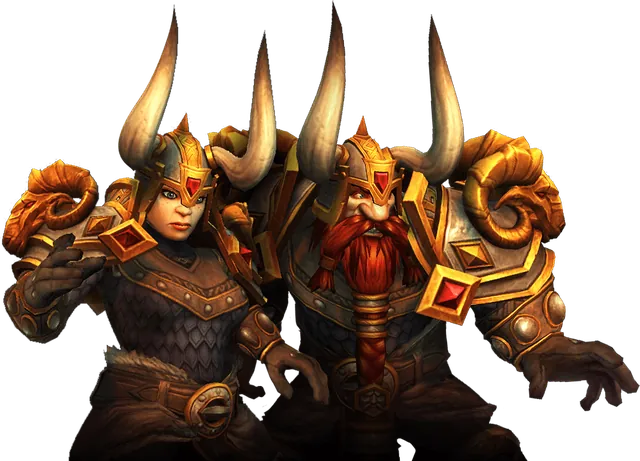
- Dwarf: Stoneform removes bleeds, poisons, and diseases, and grants 10% additional armour for 8 seconds. In Hardcore, this is one of the strongest defensive racials in the game. Bleeds from a bad pull can kill you if untreated.
- Gnome: Escape Artist removes immobilizing and movement-slowing effects. If you are rooted while trying to disengage from a dangerous mob, this can save your character.
- Night Elf: Shadowmeld only works once you're already out of combat. Unlike a Rogue's Vanish, it can't pull you out of an active pull. Its real value is resting or logging out safely without pulling aggro from a wandering patrol. The 1% dodge bonus from Quickness is also a passive survival benefit.
 Horde
Horde


Undead


Orc


Tauren
- Undead: Will of the Forsaken breaks Fear, Charm, and Sleep effects on demand. Being feared into additional mobs is one of the most common causes of Hardcore deaths; breaking it on command is a significant survival tool.
- Orc: Hardiness gives an additional 25% chance to resist Stun effects. Stuns can lock you in place while you take fatal damage, making this a meaningful passive in both PvE and the rare PvP encounter.
- Tauren: War Stomp provides a 2-second AoE stun, useful as an emergency tool to create distance and run. Endurance adds 5% to base health.
Leveling safely
Early levels are especially unforgiving because characters have fewer abilities, less gear, and fewer emergency consumables. Most characters die not to dungeons but to careless pulls in the open world. These habits are what separate characters that reach 60 from those that die early.
Never pull more than you can handle. The goal is not to level as fast as possible; the goal is to reach 60 alive. Pulling extra mobs to speed up killing is the habit most likely to end your run. One extra mob joining mid-fight when your cooldowns are down is all it takes.
Always clear toward the exit. Before pulling deeper into any dungeon, cave, or compound, kill the enemies between you and the entrance. If something goes wrong, you need a clean escape route. Running through live mobs to reach the exit is how Hardcore characters die.
Carry bandages at all times. First Aid is worth leveling on every character regardless of class. Between pulls, a Silk or Mageweave Bandage restores hundreds of HP faster than natural regen, letting you engage the next pull at full health. It consumes cloth you could otherwise sell or use for other purposes, but the survivability it buys is worth far more than that opportunity cost.
Watch your health before every pull. Never pull a new mob while below 80% health unless you have a clear reason to. One unexpected add while your health is already low is all it takes. Wait, eat, drink, or bandage first.
Know your emergency buttons. Every class has at least one ability that can save you from a bad situation. Know what yours are and keep them available. Do not use Feign Death, Vanish, or Divine Shield offensively. Save them for when everything goes wrong.
Dungeon preparation
Dungeons are where Self-Found characters get their best gear upgrades, but they carry real risk. A group wipe is permanent death for every Hardcore member involved. Preparation significantly reduces that risk.


Pick up all dungeon quests before you enter. Many dungeon quests start outside the dungeon, sometimes in a different zone entirely, and Alliance and Horde often pick them up from different locations. Use the Dungeons page to check every quest's pickup location and faction before you commit to a run. Missing a quest because you forgot to grab it outside wastes a full clear.
Communicate your playstyle to the group. Let your party know you're playing Hardcore before the run starts. Not every player approaches dungeons the same way. Some groups chain-pull everything, which dramatically increases risk. If the group won't play at a pace you're comfortable with, it's safer to leave than to risk your character.
Know the dungeon before you enter. Understand where the bosses are, which trash packs patrol, and which mobs cast fear or other dangerous crowd control. Surprises kill Hardcore characters more than any other single factor.
Bring consumables suited to your level. Food buffs, healing potions, and bandages are not optional in Hardcore. They are part of your kit. At minimum carry enough bandages to recover between pulls and enough healing potions to survive a single emergency.
Know the sub-60 lockout rule. On official Hardcore realms, nearly all dungeons have at least a 24-hour lockout for characters below level 60, and a level 60 character cannot enter a lower-level dungeon together with a character below level 60. Plan group runs around this rather than assuming you can freely re-enter or bring a higher-level friend along.
The Dungeon Guide shows every dungeon quest and its pickup location on the world map, both Alliance and Horde versions, so you never miss one before entering.
Gear priorities in Hardcore
In Hardcore, survivability stats are worth more than raw output. Stamina, Armor, and Resistances reduce the probability that a single mistake kills you. A 5% damage increase is meaningless if it came at the cost of the health buffer that would have kept you alive through a bad pull.
When choosing between two similarly-scored items, lean toward the one with more Stamina and Armor, especially in the 1–40 range where healing options are limited. Quest rewards are always worth completing. They are guaranteed obtainable, require no RNG, and are frequently competitive with the boss drops from the same dungeon. Mark them as targets before you go in.
The Gear Planner ranks every obtainable item for your class, spec, and level using stat weights tuned for Hardcore play. It automatically filters to Self-Found-legal sources and lets you build a farming plan before committing to a dungeon run.
Professions for your first Hardcore character
Professions matter more in Hardcore than in any other mode because the right choices give you survival tools that gear cannot replace. Potions, bandages, and gadgets can each save your character in situations where your health bar alone would not be enough.

 Alchemy + Herbalism: top recommendation
A strong profession combination for new Hardcore players. Herbalism supplies your materials as you quest, and Alchemy converts them into items that can directly prevent a death. A Major Healing Potion restores 1,050–1,750 HP on a 2-minute cooldown shared with other potions. A Free Action Potion prevents new stun and movement-impairing effects for 30 seconds. It does not remove a root or snare already affecting you, so use it proactively rather than after you're already caught. A Limited Invulnerability Potion makes you immune to physical attacks for six seconds; that's not long enough to complete a 10-second Hearthstone cast by itself, but it can buy enough time to run to safety or survive a burst of physical damage. These are not quality-of-life conveniences; they are emergency tools with a real chance of keeping your character alive.
 First Aid: mandatory secondary
Every Hardcore character should level First Aid regardless of class. Bandages restore health between pulls at no mana cost, no reagent cost beyond the cloth itself, and no potion cooldown. Combined with food buffs and natural regen, First Aid means you start nearly every fight closer to full health. Leveling it does consume cloth you could otherwise sell, but the benefit is consistent across every stage of leveling and worth far more than the cloth itself.
 Engineering: situational utility
Engineering offers tools that no other profession provides: rocket helmets, target dummies, and various bombs give you additional crowd control and escape options. The downside is that Engineering gadgets have a chance to backfire at the worst possible moment, and the profession requires significant material investment to level. It is an excellent choice for players pushing harder content, but not essential for a first Hardcore character.
For a full breakdown of every profession's Hardcore rating, Self-Found viability, leveling paths, and notable recipes, see the Professions guide.
Frequently asked questions
What is the difference between Hardcore, Self-Found, and Solo Self-Found in WoW Classic?
Official Hardcore is the realm ruleset: death is permanent on that realm. Self-Found is an optional setting chosen at character creation that adds restrictions on top of that, no Auction House, no player trading, and no receiving most items through mail. "Solo Self-Found" is not a separate official mode; it is a community challenge where a Self-Found player also avoids grouping and group content entirely.
Can you use the Auction House in WoW Classic Self-Found?
No. The core Self-Found rule is that all gear must come from items you personally looted, crafted, or purchased from NPC vendors. Buying from the Auction House, receiving items from other players, or using a bank alt to supply gear all violate the Self-Found rules.
What happens when you die in WoW Classic Hardcore?
Death is permanent on the Hardcore realm. You cannot resurrect there by running to your corpse or through any spell or ability. Your character is not deleted: it remains available as a ghost, and you may transfer it for free to a non-Hardcore Classic Era realm, where it can resurrect normally. A transferred character cannot return to Hardcore.
What class should a beginner choose for WoW Classic Hardcore?
Hunter is the most beginner-friendly class for WoW Classic Hardcore. It has Feign Death as a reliable escape from nearly any situation, fights from range which reduces incoming damage, and the pet holds threat in solo play. Druid and Paladin are also strong beginner choices. See the Best Class guide for a full breakdown.
What professions should I choose for my first WoW Classic Hardcore character?
Alchemy paired with Herbalism is the strongest combination for new Hardcore players. It gives you direct survival tools: healing potions, Free Action Potions, and Limited Invulnerability Potions can each prevent a death that nothing else would stop. First Aid is a mandatory secondary profession for every class. It lets you recover hundreds of HP between pulls at no resource cost beyond cloth and time.
Is WoW Classic Hardcore playable as a solo player?
Yes. Standard Hardcore and Self-Found both allow grouping but do not require it. You can complete the entire game solo if you choose your class carefully. Hunter, Warlock, and Druid are particularly well-suited to solo Hardcore play because their pets or self-sustain reduce dependence on group support. Solo Self-Found is the dedicated challenge mode for players who want to avoid all group content entirely.
More guides