


Guides › Hunter
 Hunter Hardcore Guide
Race choice, pet management, talent builds, leveling by bracket, gear priorities, and the emergency tactics that make Hunter the most forgiving class in Hardcore.
By Marc · Updated July 27, 2026


 Hunter · WoW Classic HardcoreImage: Blizzard Entertainment
Why Hunter is the safe pick
Hunter is one of the most beginner-friendly classes in WoW Classic Hardcore. A well-managed pet absorbs much of the damage in solo content in your place, provided it holds threat and doesn't create pathing or add risks. You engage most fights from range on your own terms, and Feign Death gives you a way to drop out of combat that no other class has an equivalent of, though it can be resisted, so it isn't a guaranteed reset. None of this requires deep game knowledge to use correctly. A new player following basic pet and pulling habits will survive far more mistakes as a Hunter than as almost any other class. The tradeoffs are ammunition management and a genuine weak point at close range with no melee weapon equipped, but both are minor compared to what you gain.
Strengths and weaknesses
Strengths
- A well-managed pet absorbs much of the melee damage during solo pulls, provided it holds threat and doesn't create pathing or add risks
- Feign Death can drop you from combat in an emergency, one of the strongest reactive tools of any class, though it can be resisted
- Ranged auto-attack means you choose when a fight starts and can pull exactly one enemy with precision
- Traps (Frost Trap, Freezing Trap) provide crowd control other classes have to talent or spec into
- Aspect of the Cheetah gives a fast, low-commitment way to create distance before things go wrong
Weaknesses
- The Dead Zone (a close-range gap where you can neither shoot nor easily melee) is a real danger without a backup weapon equipped
- Ammunition is a resource you must actively manage and restock, running out mid-fight is a real risk
- Pet pathing around terrain can strand your damage-soaker on the wrong side of an obstacle at the worst moment
- Losing your pet mid-fight (or having it die) removes your primary tank and a large share of your total damage at once
Which race to pick
Dwarf and Night Elf are the Alliance options; Orc, Tauren, and Troll are Horde. Weapon skill, pet damage, and beast-type damage bonuses are the deciding factors.

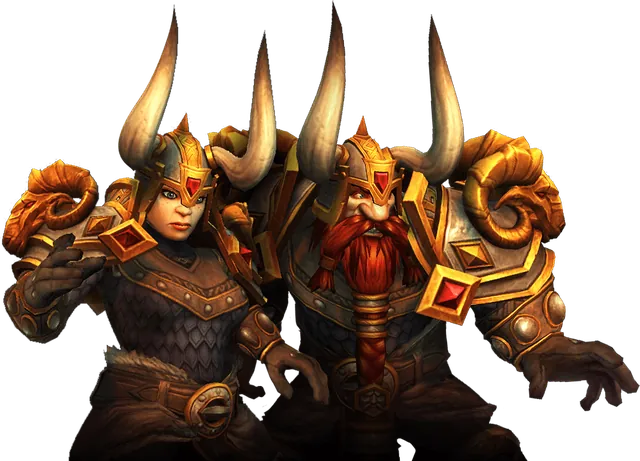
Dwarf


Night Elf

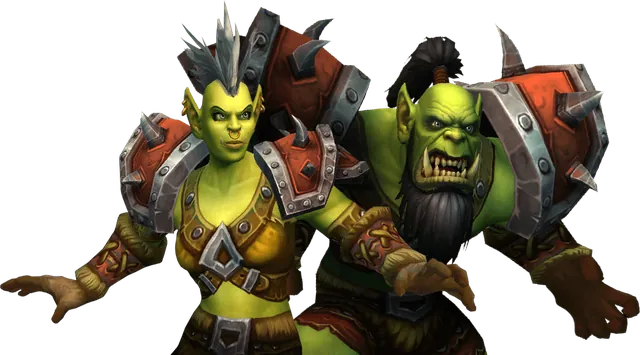
Orc


Tauren


Troll

 Best overall. Troll or Orc
Troll gets +5 Bow and Thrown weapon skill plus Beast Slaying (+5% damage against beast-type enemies, which make up a large share of early leveling zones), and Regeneration gives faster out-of-combat health recovery between pulls. Orc's Command racial gives your pet +5% damage, a bigger deal for Hunter than for any other pet class, since the pet is doing a large share of your total damage output all game.
 Safest. Tauren
+5% max health on top of an already-safe class, plus War Stomp as a free AoE stun if something does get into melee range unexpectedly. Tauren Hunter trades a bit of offense for a meaningfully larger health buffer.
Best damage. Orc
Command's pet damage bonus compounds with every point you put into pet talents. Note that Blood Fury boosts your own base melee Attack Power specifically (and comes with a healing penalty), not your ranged shots, so its main value here is the pet damage bonus rather than a personal damage cooldown. Hardiness (an additional 25% chance to resist Stun effects) is a useful bonus on top for the rare occasions you do get caught in melee.
Best Self-Found. Troll
Bows are more commonly found as early drops and quest rewards than guns, so Troll's bow skill bonus applies more often for a Self-Found Hunter who can't simply buy the ranged weapon type of their choice.
Talent strategy


Recommended leveling tree. Beast Mastery
Beast Mastery is the standard Hardcore leveling spec because every point goes toward keeping your pet alive and dangerous. Endurance Training, Thick Hide, Bestial Swiftness, Unleashed Fury, Ferocity, Spirit Bond, and Frenzy all directly increase pet health, damage, or sustain, the exact things that keep your damage-soaker functioning through a long leveling session.
Important milestones
Improved Mend Pet adds a chance to cleanse a curse, disease, magic, or poison effect from your pet each tick, a real answer to debuffs that would otherwise wear your pet down, not just a general durability boost. Spirit Bond adds passive health regeneration for both of you. Bestial Wrath (capstone) is a strong damage cooldown, available at level 40 once you have the full 31-point investment.
When Marksmanship or Survival become viable
Marksmanship (Mortal Shots, Aimed Shot) is a strong endgame raid spec once you're confident in your positioning and don't need extra pet durability. Survival's Improved Feign Death and Survivalist talents are genuinely Hardcore-relevant. Improved Feign Death reduces the chance enemies resist it, directly improving your best escape tool, making Survival a reasonable pick for players who want to lean even further into the escape-first playstyle.
Talents that look good but underperform
Don't dismiss baseline Wing Clip, it's one of your key melee-range tools for slowing an enemy that's closed the distance so you can reopen range, exactly the situation the Dead Zone or a dead pet can put you in. Improved Wing Clip and other melee-focused Survival talents matter less, since you should rarely be fighting in melee on purpose. Scatter Shot is also worth keeping, it's genuinely useful emergency crowd control and spell interruption solo, not just in PvP or groups, though damage will break it. The full Beast Mastery, Marksmanship, and Survival builds are pre-loaded in the Talent Planner.
Leveling by bracket
Levels 1-20
You get your pet at level 10, before that, Hunter plays much like any other ranged-limited class, so be extra cautious pulling. Once you have a pet, send it in first on every pull and let it establish aggro before you start shooting. Keep it on Passive only when you specifically don't want it engaging (e.g. sneaking past a patrol).
Levels 20-40
Traps become a reliable way to handle a second enemy if one does show up mid-fight. Frost Trap or Freezing Trap on the add buys time to finish your primary target. This is also when ammunition costs start to matter enough that carrying a real reserve (not just what you can afford in the moment) becomes worth budgeting for.
Levels 40-60
Aspect swapping (Hawk for damage, Cheetah for repositioning, Monkey for melee survivability if forced into the Dead Zone) becomes second nature and is worth actively practicing. Dungeon groups value a Hunter's crowd control and consistent ranged damage, and this is where a pet with a full Beast Mastery investment starts noticeably outlasting an under-invested one in longer fights.
Gear priorities
Agility is your primary stat. It converts into Ranged Attack Power, crit, and dodge simultaneously, making it more valuable per point than for almost any other class. Stamina remains important since you can still be caught in melee range, but Hunter can afford to lean slightly more offensive than a pure melee class because the pet is absorbing most incoming hits.
Bow versus gun versus crossbow is mostly about what you find. Don't hold out for a specific ranged weapon type at the cost of a real DPS upgrade. Ammunition type follows your weapon, so factor ammo availability and cost into which ranged weapon you commit to for a stretch of levels.
The Gear Planner ranks every obtainable item for Hunter using stat weights tuned for your chosen spec, separated by quest, dungeon, crafted, and vendor sources for Self-Found planning.
Best professions
 Engineering: grenades, target dummies, and other gadgets add extra control on top of your own class traps, stacking naturally onto a kiting-and-control playstyle.
 Leatherworking: Agility-focused leather armor lines up directly with Hunter's stat priorities for a Self-Found gear floor.
 Alchemy: Healing and utility potions cover the moments even a Hunter's pet and Feign Death can't fully prevent.
 First Aid (mandatory secondary): Bandages between pulls, same as every class.
See the full Professions guide for leveling paths and Self-Found viability of each.
Getting out of a bad pull
- Feign Death: your single best emergency tool. Use it the moment a pull goes wrong. Don't wait until you're nearly dead, since a resisted Feign Death with no health left is fatal.
- Traps: drop a Frost or Freezing Trap on an unexpected add rather than trying to out-damage two targets at once.
- Aspect of the Cheetah: swap to it the instant you decide to disengage, every second spent deciding is a second the enemy keeps closing.
- Dangerous enemy types: anything that closes distance faster than you can kite (charging or sprinting mobs) is the main threat to a Hunter, since your entire kit assumes range.
- Consumables that solve Hunter weaknesses: a backup melee weapon for Dead Zone emergencies, and always carrying more ammunition than you think you'll need.
How Hunters actually die
- Pet dying or losing aggro mid-fight, leaving you exposed at melee range with no time to Feign Death or retreat.
- Getting caught in the Dead Zone with no ammunition or backup weapon and no way to deal damage.
- Feign Death resisted at critically low health with no follow-up plan.
- Accidental multi-shot pulls from Multi-Shot or Volley hitting an unintended second target and drawing it into the fight.
- Pet pathing getting stuck on terrain, leaving you to tank a mob the pet was supposed to handle.
Bottom line on Hunter
Hunter is the single best class recommendation for a first WoW Classic Hardcore character. It is forgiving of mistakes, strong solo, strong Self-Found, and scales well from level 10 all the way to 60 without demanding deep class knowledge to play safely. Group dependency is low. Hunter is a fully capable solo leveling class start to finish. Overall difficulty: low. Recommended for beginners and veterans alike.
Frequently asked questions
Is Hunter the best class for WoW Classic Hardcore?
Hunter is widely considered one of the best beginner classes for WoW Classic Hardcore. A well-managed pet absorbs much of the melee damage in solo content, Feign Death is one of the best emergency tools in the game (though it can be resisted), and ranged combat means most fights start on your terms.
What is the best race for Hunter in WoW Classic Hardcore?
Troll and Orc are the strongest overall picks. Troll gets Bow Specialization plus Beast Slaying (relevant against the many beast-type enemies in the early game), and Orc's Command racial adds 5% pet damage, which matters more for Hunter than almost any other class since the pet deals a large share of your total output.
What talent build should a Hunter use while leveling in Hardcore?
Beast Mastery is the safest and most common Hardcore leveling spec because it invests directly in pet survivability and damage, keeping your primary damage-soaker alive longer. Marksmanship and Survival are viable but produce a less durable pet.
Why does my Hunter pet keep dying or getting stuck?
Pet pathing around obstacles and pet aggro management are the two most common Hunter pet issues. Call your pet back before repositioning around terrain, and use Mend Pet proactively rather than waiting until the pet is nearly dead.
More guides






 Hunter Talent Planner
 Hunter Gear Planner