


Guides › Rogue
 Rogue Hardcore Guide
Race choice, talent builds, leveling by bracket, gear priorities, and the Vanish-first playbook that keeps a Rogue alive.
By Marc · Updated July 27, 2026
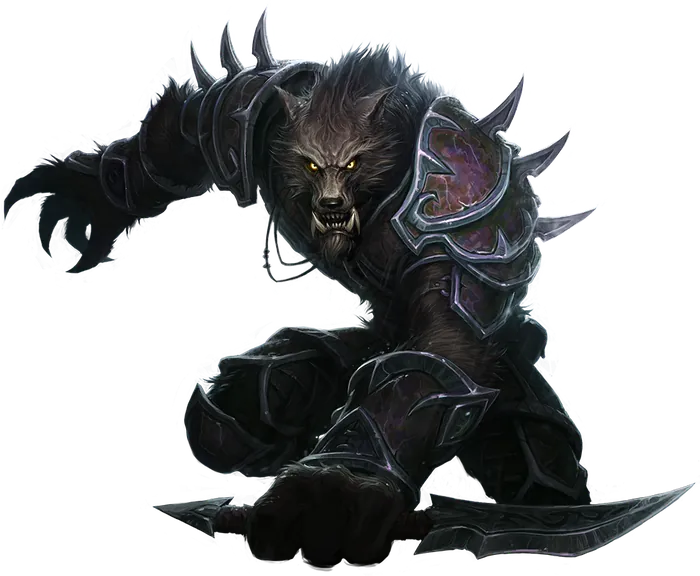
 Rogue · WoW Classic HardcoreImage: Blizzard Entertainment
Rogue's real strength
Rogue plays a genuine risk-reward game in Hardcore. Stealth lets you bypass most trash entirely, choosing exactly which fights you take, and Vanish is one of the strongest true escape tools in the game. It removes you from combat outright rather than just reducing threat or adding a defensive buff. The catch is that Rogue is a leather-armor class with no self-heal of any kind and a genuinely low health pool early on, so once your cooldowns are spent, you have very little margin left. It suits players who plan pulls carefully and treat Stealth as a scouting tool, not just an opener.
Strengths and weaknesses
Strengths
- Stealth lets you scout ahead, skip unnecessary trash, and choose your fights with more control than almost any other class
- Vanish is a true combat-drop, not just a threat reset, a genuine escape from an unwinnable fight
- Evasion sharply reduces incoming melee hit chance for its duration, buying time mid-fight
- Sap provides reliable single-target crowd control to remove a second enemy from a pull before it starts
- Highest burst single-target damage of any class from Stealth openers, ending fights before they become dangerous
Weaknesses
- No self-heal of any kind: every point of health lost in a fight has to come back from bandages, food, or potions
- Leather armor and a low base health pool mean mistakes are punished quickly, especially before level 20
- Vanish, Sprint, and Evasion all have real cooldowns: once spent in one fight, you're exposed in the next
- Energy (not mana or rage) limits your action rate, and running out mid-fight means fewer options exactly when you need them
Which race to pick
Every race except Tauren can play Rogue. Stealth and crowd-control synergy matter more here than for most classes.

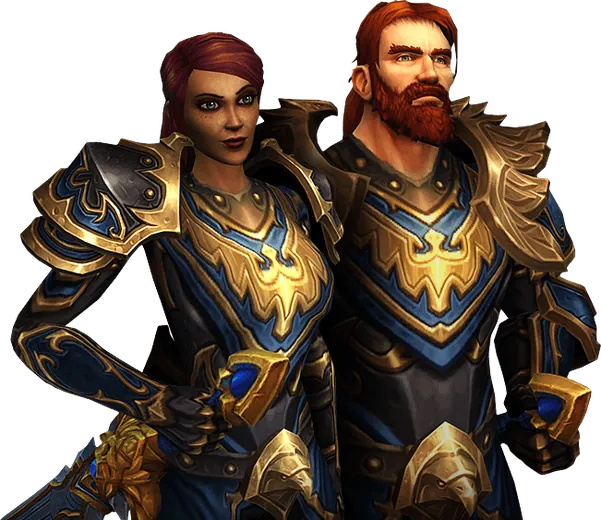
Human

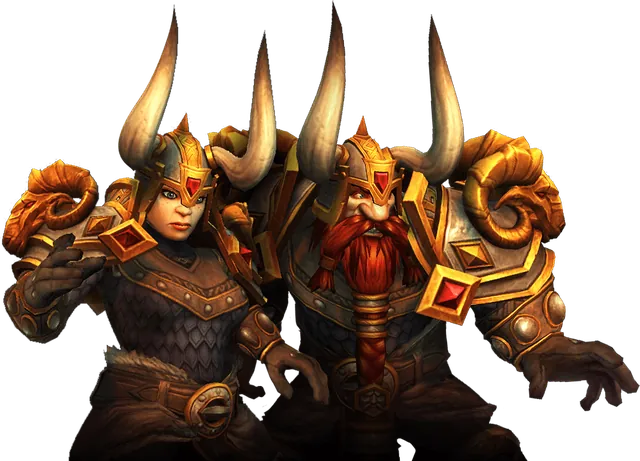
Dwarf


Night Elf

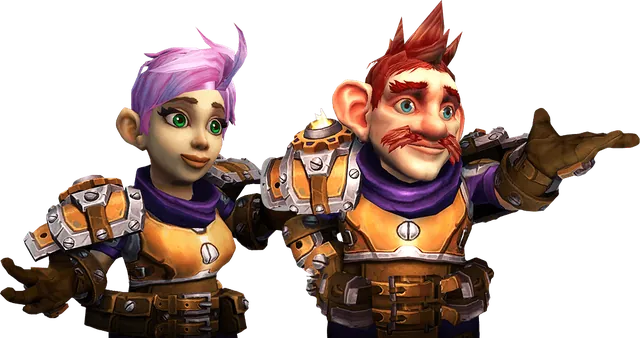
Gnome

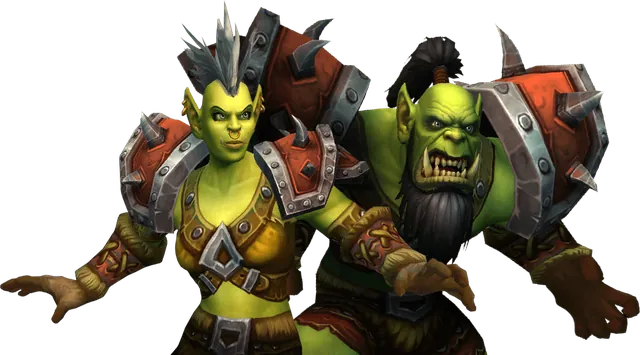
Orc


Undead

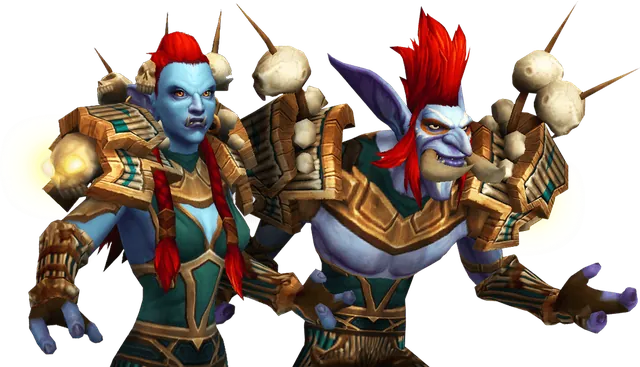
Troll

 Best overall: Undead or Gnome
Undead's Will of the Forsaken breaks Fear, Charm, or Sleep on demand, and Gnome's Escape Artist breaks roots, both remove the crowd control that most often gets a Rogue killed, since Vanish has a long cooldown and Stealth doesn't remove an effect that's already landed on you.

 Best damage: Orc or Human
Orc's axe skill and Blood Fury suit an axe-focused Combat build, while Human's sword and mace skill suits a sword-focused build. Neither bonus applies to daggers, so a dagger-focused Assassination or Subtlety Rogue gets less mileage from either and should weigh utility racials more heavily instead.
 Night Elf: less useful than it looks
Shadowmeld can only be activated once you're already out of combat, so it doesn't function as an escape or a way to bypass Vanish's cooldown. It drops you if you're attacked. Since Rogues already have their own Stealth for resting or repositioning safely, Shadowmeld adds little a Rogue doesn't already have. Quickness's +1% dodge is a small passive bonus, but not enough to make Night Elf a top pick.
Best Self-Found: Undead or Gnome
Will of the Forsaken and Escape Artist don't depend on finding any specific weapon type, which matters for a Self-Found character who can't simply farm the exact dagger or sword their racial bonus favors.
Talent strategy


Recommended leveling tree: Combat
Combat is the most common Hardcore leveling spec because its damage doesn't depend on attacking from behind the target, unlike Assassination and Subtlety's backstab-centric kits. Dual Wield Specialization and Precision both meaningfully reduce miss chance early, and Lightning Reflexes adds passive dodge that helps you survive fights that run long.
Important milestones
Blade Flurry and Adrenaline Rush (Combat capstones) both meaningfully increase sustained damage once you have them, shortening fight length and therefore reducing the window where things can go wrong. Riposte becomes available after you parry, costs 10 Energy, and deals weapon damage plus a disarm effect on the target, situational since it depends on a parry landing, but strong when it triggers.
When Assassination or Subtlety become viable
Assassination becomes strong once you're comfortable opening every fight from Stealth for a guaranteed Ambush or Backstab. Cold Blood and Improved Poisons both reward a controlled, stealth-first playstyle. Subtlety leans hardest into the escape-and-reposition playstyle (Premeditation, Preparation, Camouflage) and is a reasonable pick if survivability matters more to you than raw damage.
Talents that look good but underperform
Improved Sap is worth more than it looks solo, not just in groups: retaining Stealth after Sap lets you control a humanoid multi-pull with a clean opener or bail out entirely, though it only works on humanoids and can still resist or fail. The full Assassination, Combat, and Subtlety builds are pre-loaded in the Talent Planner.
Leveling, bracket by bracket
Levels 1-20
The most dangerous stretch: low health pool, no self-heal, and Vanish not yet available (it unlocks at level 22). Sprint and Sap both come online at level 10, well before Vanish, so lean on Sap to remove a second enemy from a pull and Sprint to create distance in the meantime. Use Stealth to scout before every pull, not just to open fights, and treat every fight as one you can't easily walk away from once started.
Levels 20-40
Vanish comes online at 22 and should become part of your standard pull routine alongside the Sprint and Sap you've already had since level 10. Know before every fight what you'll do if it goes wrong, rather than deciding in the moment.
Levels 40-60
Dungeon groups value Rogue's burst damage and utility (Sap, lockpicking) heavily in this range. Gear upgrades from dungeons matter more to Rogue than to most classes since Agility and weapon DPS scale your damage directly, and a real dagger or sword upgrade is often worth prioritizing over an off-type weapon even if the raw stats look close.
Gear priorities
Agility is your primary stat. It adds Attack Power, crit, and dodge simultaneously. Stamina matters more for Rogue than its offense-focused reputation suggests, precisely because you have no self-heal to compensate for a thin health pool. Weapon DPS and Attack Power on gear both scale your burst damage directly.
Dagger versus sword versus fist weapon depends on your spec: daggers are strongest for Backstab-reliant Assassination and Subtlety builds, while Combat is more weapon-type-flexible. Don't switch categories casually; weapon skill takes time to re-level after a change.
The Gear Planner ranks every obtainable item for Rogue using stat weights tuned for your chosen spec.
Best professions
 Engineering: bombs, gadgets, and utility items add extra options for a class that otherwise relies entirely on cooldowns for emergencies.
 Leatherworking: Agility-focused leather lines up directly with Rogue's stat priorities for a Self-Found gear floor.
 Alchemy: since Rogue has no self-heal, healing potions carry more weight than for almost any other class.
 First Aid (mandatory secondary): the closest thing Rogue has to a self-heal, and it costs nothing but time.
See the full Professions guide for leveling paths and Self-Found viability of each.
Your escape options
- Vanish: use it the moment a fight is clearly unwinnable, not after your health is already critical. It removes you from combat but doesn't heal you, and it isn't foolproof: a damage-over-time effect still ticking, immediate re-detection, or moving too soon after casting it can all get you found again.
- Evasion: a strong mid-fight tool when you're taking too much damage but don't want to fully disengage yet. It boosts dodge against melee attacks specifically, not spells or attacks it can't dodge.
- Sprint: pair with a direction decided in advance: deciding where to run while already running wastes the head start.
- Dangerous enemy types: anything that stuns or fears is disproportionately dangerous, since it can prevent you from using Vanish at the moment you need it most.
- Consumables that solve Rogue weaknesses: healing potions and bandages are non-negotiable given the total lack of self-heal.
How Rogues actually die
- Entering a fight with Vanish, Sprint, and Evasion already on cooldown from the previous pull.
- Getting stunned or feared at the exact moment Vanish would have saved you, with no racial or trinket-equivalent backup.
- Sapping the wrong target in a pull, leaving the more dangerous enemy free to engage first.
- Running out of Energy mid-fight against a high-health target and being forced to auto-attack through a dangerous stretch.
- Underestimating a fight because Stealth openers usually end things quickly: when the opener doesn't finish the target, Rogue has less margin than most classes to recover.
Should you play Rogue?
Rogue is a strong but demanding Hardcore class. Stealth and Vanish give you more control over engagements than almost any other class, but the total lack of self-healing means every mistake has to be paid back in consumables rather than absorbed by the class kit. Self-Found viability is solid once Agility gear starts coming in. Group dependency is low; Rogue solos well but its burst and utility are also highly valued in dungeon groups. Overall difficulty: moderate. Recommended for players who plan pulls carefully rather than improvising.
Frequently asked questions
Is Rogue good for WoW Classic Hardcore?
Rogue is a strong but higher-risk class. Vanish is one of the best escape tools in the game, and Stealth lets you skip most trash entirely, but Rogue is a leather-wearing class with no self-heal and can be caught out badly if Vanish or Evasion are already on cooldown.
What is the best race for Rogue in WoW Classic Hardcore?
Undead and Gnome are the strongest picks. Will of the Forsaken and Escape Artist break the Fear, Charm, and root effects that most often get a Rogue killed, and a Rogue has no other way to remove them. Night Elf's Shadowmeld can only be activated once you're already out of combat, so it doesn't work as an escape tool the way Vanish does. Rogues already have their own Stealth for safely resting or repositioning outside of combat.
What talent build should a Rogue use while leveling in Hardcore?
Combat is the most common Hardcore leveling spec because it has strong, consistent single-target damage and doesn't depend on positioning behind the target the way Assassination and Subtlety's backstab-focused builds do.
What is the most common cause of Rogue deaths in Hardcore?
Opening a fight with Vanish, Evasion, and Sprint all on cooldown from a previous pull, then getting caught by an unexpected second enemy with no answer left. Rogue's survival tools are powerful but have real cooldowns, using them all in one fight leaves you exposed in the next.
More guides





 Rogue Talent Planner
 Rogue Gear Planner